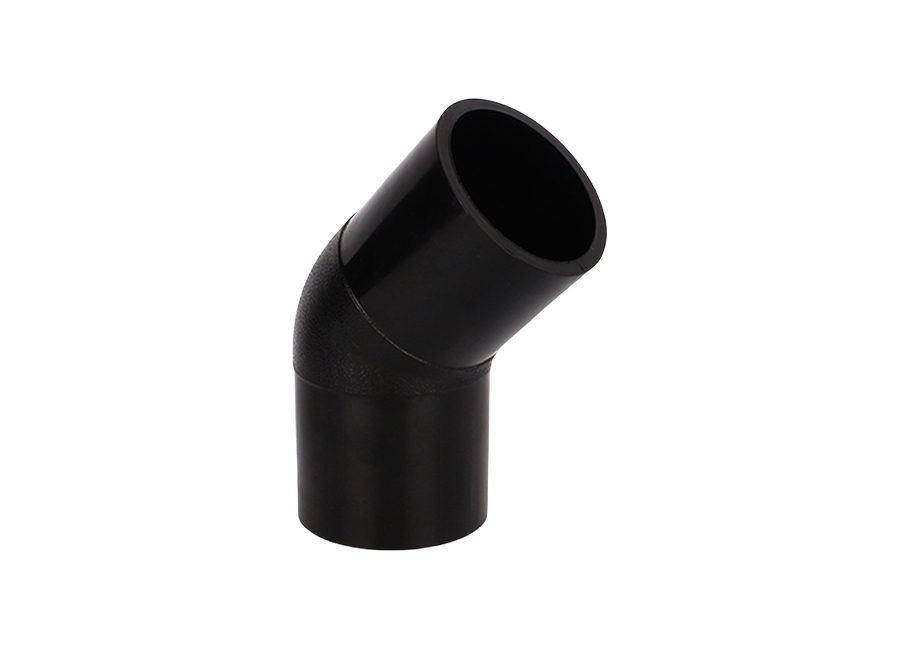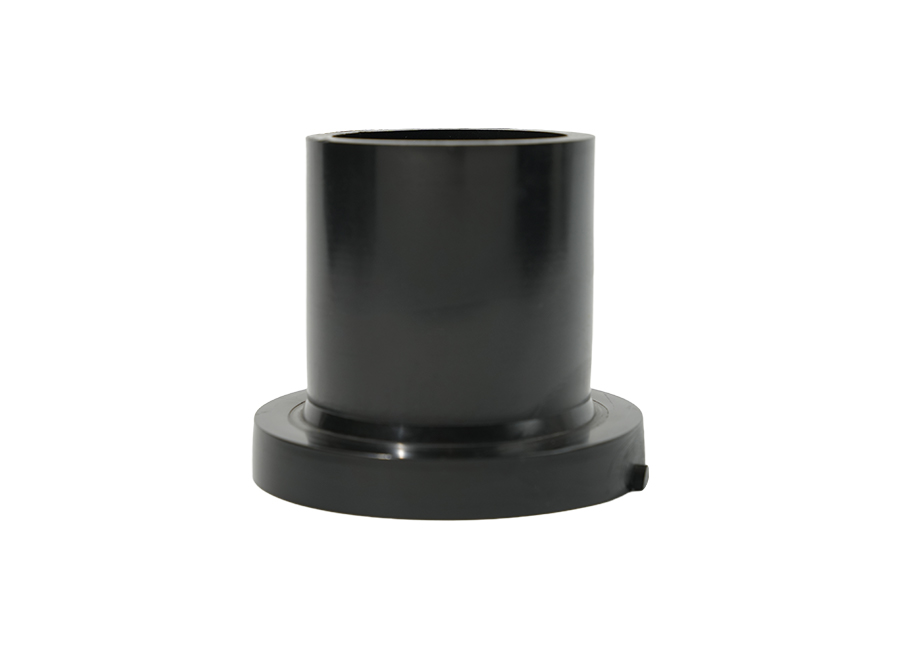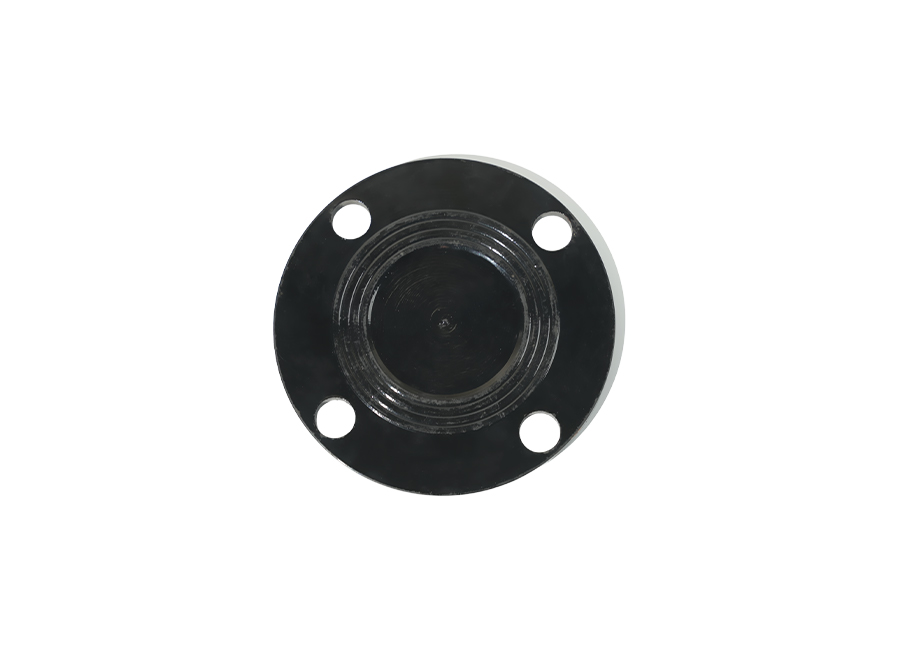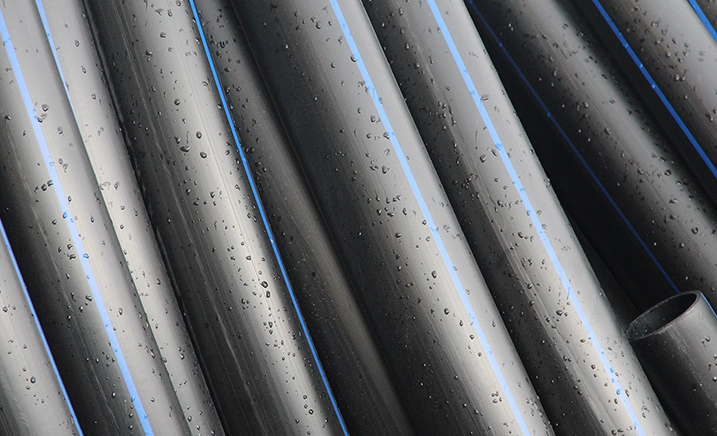

A municipal water utility project manager reviewed two quotes for the same 24-inch HDPE water main. Supplier A proposed PE 3408 material, while Supplier B proposed PE 4710. Both claimed a 100 psi pressure class, but Supplier B specified a visibly thinner wall thickness. Both statements cannot be correct for the same design life and installation conditions. Evaluating discrepancies like this is precisely why ASTM D3350 matters in the polyethylene pipe industry.
ASTM D3350 is the standard specification for polyethylene plastics pipe and fittings materials, published by ASTM International. It uses a cell classification system to identify PE material grades based on measurable performance properties. For engineers, this standard provides a common language to compare and verify what a material can actually do before it is buried, welded, or pressure-tested in the field.
What ASTM D3350 Defines
ASTM D3350 does not set pipe dimensions or operating pressure classes directly. Instead, it classifies raw material used to manufacture PE pipe and fittings. The standard establishes a cell classification system that rates seven material properties:
- Density, which is directly tied to pipe strength and stiffness
- Melt index, a measure of polymer flow that affects weldability and resistance to stress cracking
- Tensile strength at yield, indicating the stress the material can withstand before permanent deformation
- Elongation at break, a measure of installation flexibility
- Environmental stress crack resistance (ESCR), the ability to resist slow crack growth under stress and aggressive soil chemicals
- Hydrostatic design stress (HDS), the long-term pressure capacity of the material over a 50-year design life at 23°C
- Slow crack growth resistance, the material's resilience against crack propagation over decades of service
Each property receives a cell rating from 0 to 5, with higher ratings indicating better performance. The resulting code is not a vague marketing label; it is the outcome of standardized test methods and gives procurement teams a defensible way to compare materials from different suppliers.
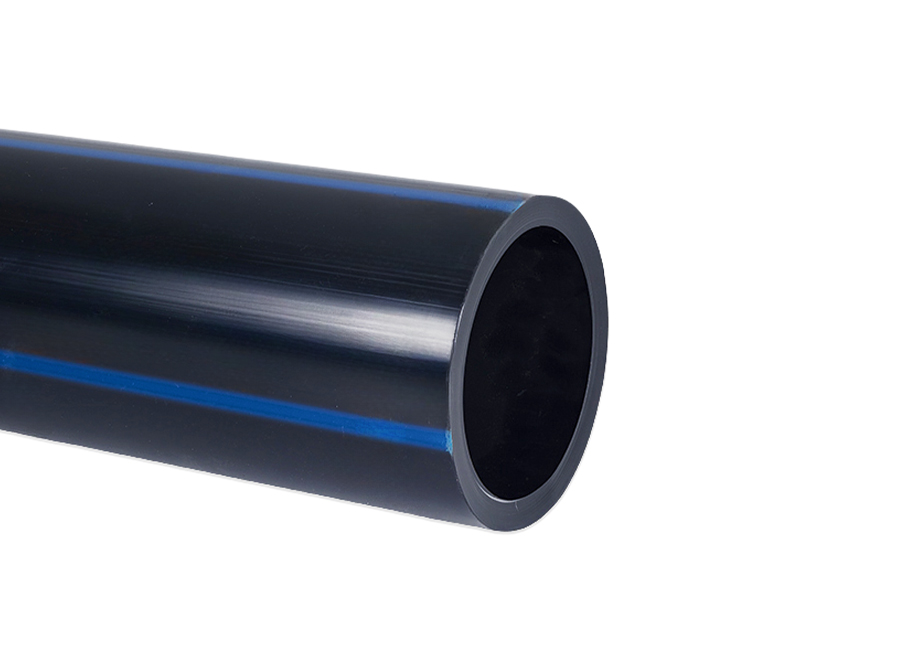
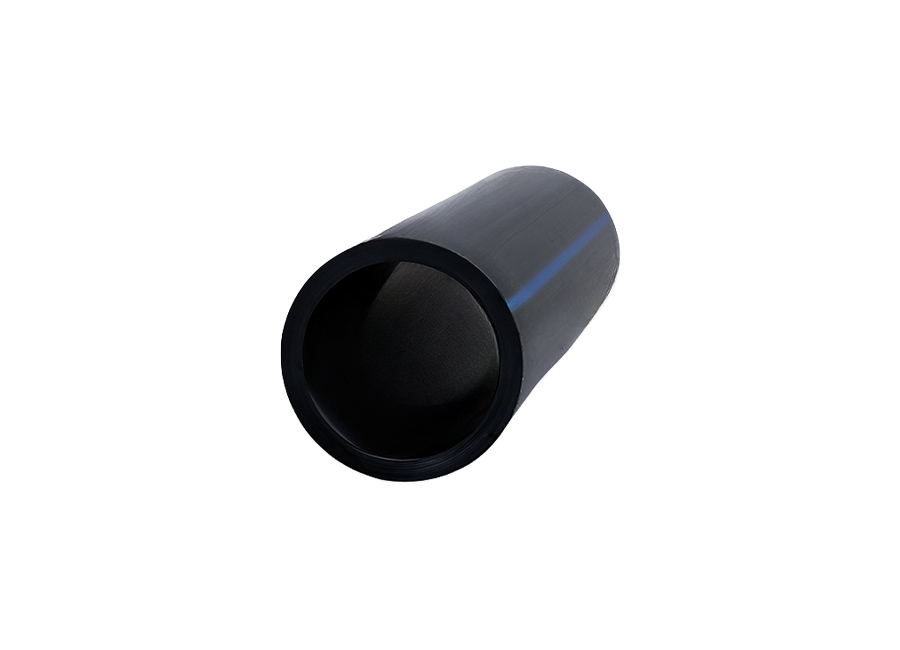 HDPE Pipe Made from PE100 Virgin Material with Multiple Pressure Ratings This HDPE pipe uses high-quality PE100 virgin material and conforms to ISO4427 and EN12201 standards. Its various pressure ratings from PN6 to PN16 allow selection for different engineering requirements, with stable performance and easy hot melt welding installation. View Product →
 How the Cell Classification System Works
The cell classification structure uses numeric ratings to describe a PE material. For example, a designation such as PE 4710 provides specific information about density cell, melt index cell, and HDS cell values. The table below summarizes typical classifications for three commonly used PE material grades.
| Property (Cell) | PE 3408 | PE 3608 | PE 4710 |
|---|---|---|---|
| Density (Cell 1) | 3 | 3 | 4–5 |
| Melt Index (Cell 2) | 4 | 6 | 7 |
| HDS (Cell 6) | 8 (800 psi) | 8 (800 psi) | 10 (1,000 psi) |
| ESCR (Cell 5) | 3 | 3 | 4–5 |
The designation code gives a reading on how the material will behave under pressure, in contact with soil chemistry, and during the fusion welding process. It is worth noting that exact cell values must always be verified against the current ASTM D3350 version and the manufacturer's published material datasheet.
PE 3408, PE 3608, and PE 4710: What the Codes Reveal
In the water and gas distribution industry, PE 3408, PE 3608, and PE 4710 are the most commonly specified PE material grades. The most practical difference among them is the hydrostatic design stress, which directly determines the safe operating pressure for a given wall thickness.
PE 4710 has an HDS that is about 25% higher than PE 3408 and PE 3608. This means a pipeline designed with PE 4710 can use a thinner wall while maintaining the same pressure rating, reducing material weight and total installed cost. In practice, many water utilities now standardize on PE 4710 for pressure mains, while PE 3408 remains common for gravity flow and low-pressure systems.
Why Material Classification Matters in the Field
The cell ratings in ASTM D3350 influence more than just pressure calculations. They also affect how a pipe performs during installation and over its service life. Consider horizontal directional drilling. A material with a higher elongation at break tolerates more bending without buckling. A pipe with better ESCR will perform more reliably when buried in soils with high chloride content or in industrial areas with chemical contamination.
For most municipal and industrial applications, the practical difference comes down to long-term reliability. The higher density and higher HDS of PE 4710 reduce the risk of slow crack growth, which is one of the principal failure modes in buried pressure pipe. Industry reports on HDPE failures consistently highlight slow crack growth as the dominant long-term risk when material quality is not properly controlled. This comprehensive analysis of PE pipe durability examines how material characteristics translate into decades of field performance.
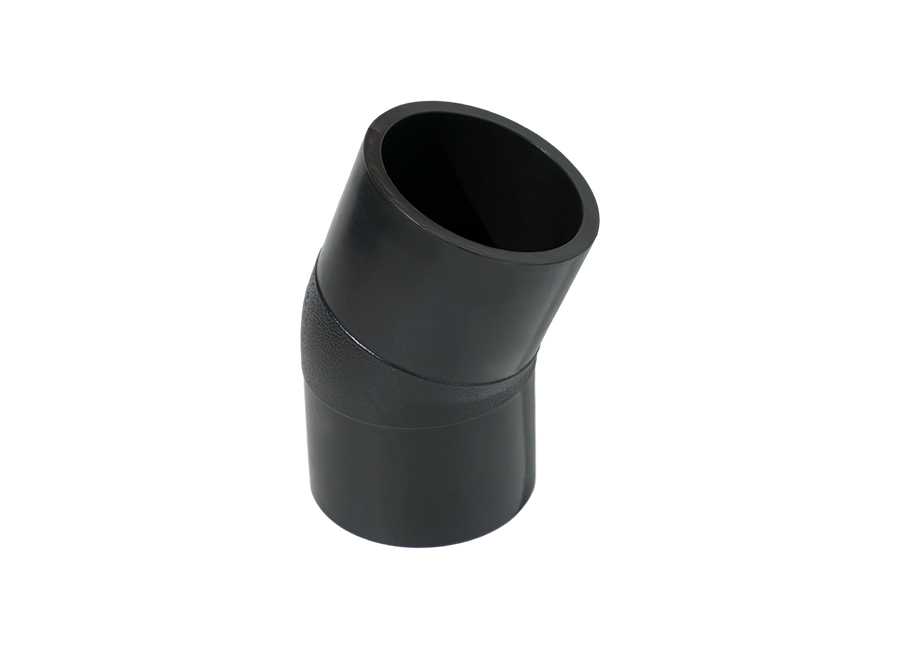
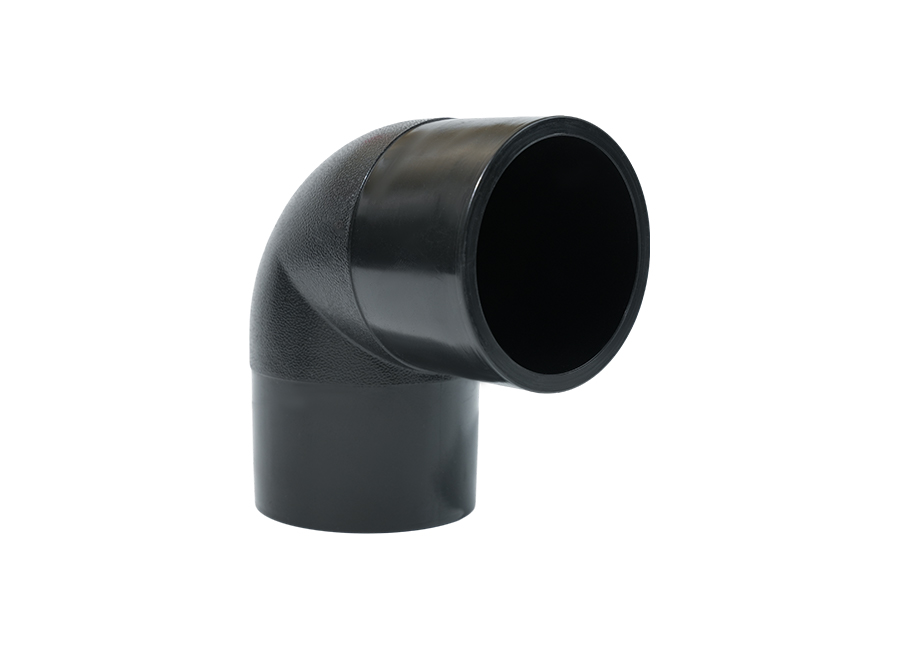
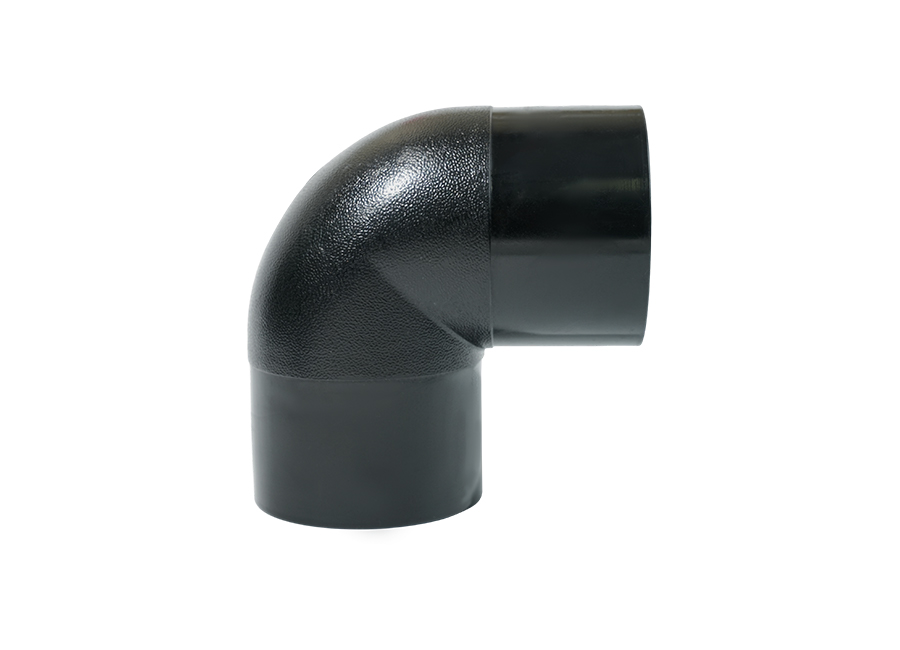 HDPE 90 Degree Elbow for Right-Angle Turns in Piping Systems This HDPE 90 degree elbow is made from PE100 and available in multiple pressure classes. It enables flexible layout with right-angle turns, maintains shape under long-term load, and provides reliable connections via butt or socket fusion. View Product →
 Using ASTM D3350 in Procurement and Specification
When it comes to writing a specification, citing ASTM D3350 gives you a defensible basis for comparing supplier proposals. The key requirements to include are straightforward:
- The exact material designation, such as PE 4710
- The HDS value associated with that designation
- The density range for Cell 1
- The designed operating pressure and temperature
- A requirement for third-party material test reports
These five points protect a project from ambiguity. When a supplier cannot provide a material designation or test report, that is a significant procurement risk, especially for buried infrastructure. When two suppliers list different designations but claim equivalent performance, the cell classification gives you an objective way to determine which material is actually the better fit.
A reputable pipe manufacturer should be able to provide the ASTM D3350 classification for every pipe and fitting batch. The material designation should be traceable from the resin supplier through the extruder all the way to the finished product, including the test reports that back up each cell rating.
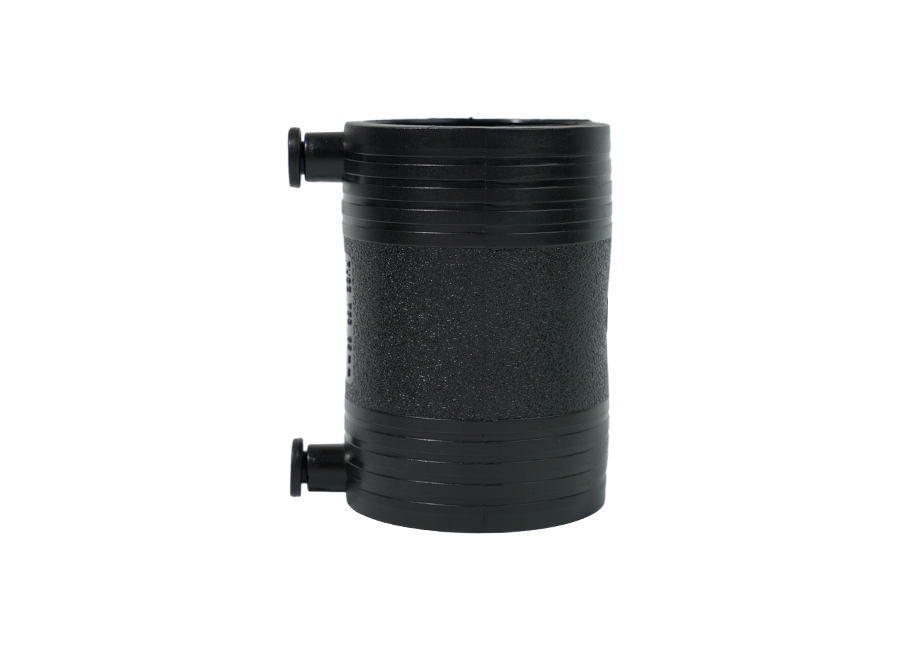 HDPE Electrofusion Coupling with PE100 and Copper Construction This electrofusion coupling combines PE100 and copper for durability and corrosion resistance in various environments. Electrofusion welding ensures high connection strength and sealing, reducing installation time and leakage risk. View Product →
 Common Questions About ASTM D3350
Q1: What is ASTM D3350?
ASTM D3350 is the standard specification for polyethylene plastic pipe and fittings materials. It establishes a cell classification system that identifies PE material grades based on properties such as density, melt index, ESCR, and hydrostatic design stress.
Q2: What is the difference between PE 3408 and PE 4710?
The main difference is hydrostatic design stress. PE 3408 has an HDS of 800 psi and a lower density cell rating. PE 4710 has an HDS of 1,000 psi and typically a density cell rating of 4 or higher, allowing higher operating pressures with the same pipe dimensions.
Q3: How does HDS affect PE pipe design?
HDS determines the maximum allowable pressure a pipe can withstand over its 50-year design life. A higher HDS allows a thinner wall for the same pressure, which reduces pipe weight, installation effort, and overall project cost.
Q4: What is the cell classification system in ASTM D3350?
It assigns numeric ratings to material properties including density, melt index, tensile strength, elongation, ESCR, HDS, and slow crack growth resistance. The resulting code becomes the material designation.
Q5: How do I verify PE pipe product compliance with ASTM D3350?
Request the manufacturer's material test report, which should include density, melt index, tensile strength, ESCR, and HDS data. Compare the values against the cell classification in ASTM D3350 to confirm the material grade aligns with your project specification.
Q6: Does ASTM D3350 apply to PVC pipe?
No. ASTM D3350 applies specifically to polyethylene (PE) materials. PVC pipe and fittings are governed by separate standards, including ASTM D1785 and ASTM F441.